Freight, Transport & Logistics Business Valuations & Strategic Sales

Independent Valuation. Industry Expertise. Strategic Buyer Insight

BSP Strategic provides specialist business valuations, exit assessments and strategic sales advisory services to established Australian freight transport and logistics businesses.

Combining independent valuation expertise with direct transaction experience, we help business owners understand enterprise value, assess acquisition readiness and identify strategic buyers capable of recognising value beyond standalone financial performance.
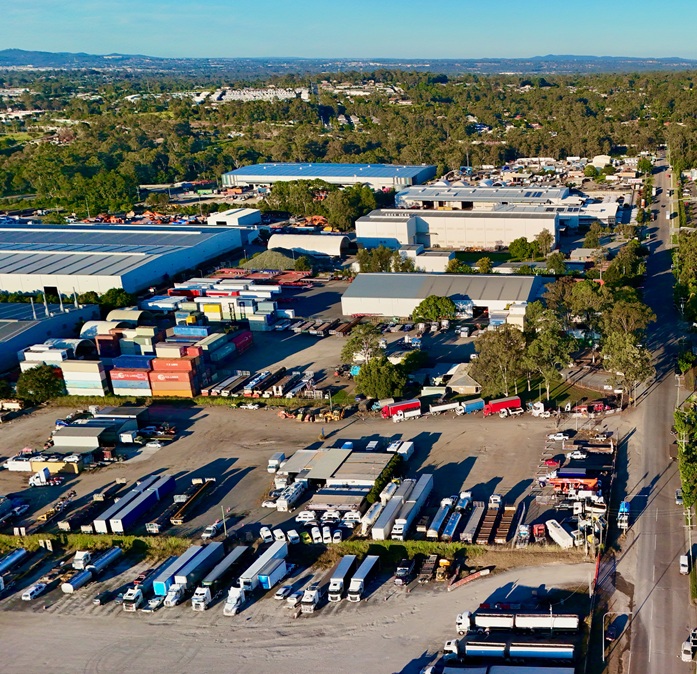
Freight, transport and logistics depot in Wacol SE Qld

Understanding the Freight & Logistics Industry – and What Drives Business Value

Australia’s freight transport and logistics sector encompasses a diverse range of business models, from general road freight and interstate linehaul to refrigerated transport, specialised haulage, contract logistics and integrated warehousing and distribution services.

Although these businesses share a common role in moving and managing freight, their financial and operational characteristics can differ significantly. Fleet ownership structures, customer contracts, freight volumes, operating margins, capital expenditure requirements and geographic networks all influence earnings sustainability and enterprise value.

For business owners considering a valuation or strategic sale, understanding these differences is critical. Buyers assess not only historical profitability, but also the durability of customer relationships, operational efficiency, workforce capabilities, asset requirements and opportunities to integrate an acquired business into their existing transport and logistics networks.

At BSP Strategic, we combine independent valuation expertise with direct freight transport transaction experience to assess the commercial, financial and strategic characteristics that influence acquisition value.

Eight Key Enterprise Value Drivers

Not all freight transport and logistics businesses with similar revenues or reported EBITDA command the same enterprise value.

Differences in customer contracts, fleet ownership structures, operating efficiency, capital expenditure requirements, workforce capabilities and strategic network advantages can materially influence maintainable earnings, acquisition risk and the valuation multiples prospective buyers are prepared to pay.

At BSP Strategic, we assess these factors from both an independent market valuation perspective and through the lens of strategic acquirers seeking to expand their transport networks, customer portfolios and operational capabilities.

Eight key value drivers can significantly influence the enterprise value of an established freight transport or logistics business.

Customer Contracts, Freight Volumes & Revenue Visibility

The quality, consistency and durability of customer relationships are fundamental to assessing the maintainable earnings of a freight transport or logistics business.

Buyers examine contract duration, minimum volume commitments, pricing arrangements, renewal history and exposure to individual customers or industry sectors. Particular attention is given to the transferability of contracts following acquisition.

Established customer relationships supported by reliable freight volumes and appropriate fuel and cost escalation mechanisms can strengthen earnings visibility and reduce perceived acquisition risk.

Revenue Composition, Customer Concentration & Service Mix

Freight and logistics businesses operate across different service models, including general freight, linehaul, refrigerated transport, specialised haulage, warehousing and contract logistics.

Each carries different margin characteristics, working capital requirements and exposure to economic conditions.

Buyers consider the balance between contracted and spot-market freight, customer and industry concentration, and the extent to which diversified service offerings support earnings resilience.

A business with defensible customer relationships and consistent demand may attract a different risk assessment from one heavily dependent on a small number of customers or volatile freight markets.

Fleet Ownership, Condition & Replacement Capital Expenditure

Fleet ownership structures and ongoing capital requirements are central considerations when valuing asset-intensive road transport businesses.

Buyers examine the age, condition and market value of vehicles, maintenance history, financing and leasing arrangements, depreciation policies and anticipated replacement capital expenditure.

A business reporting strong EBITDA may nevertheless require substantial reinvestment to maintain its existing operating capacity.

Importantly, the value of operating fleet assets is generally reflected within an earnings-based enterprise valuation and should not automatically be added to the calculated enterprise value. Surplus or non-operating assets require separate consideration.

Fleet Utilisation, Route Density & Operating Efficiency

Efficient fleet utilisation and transport network management are critical determinants of operating margins and cash flow.

Buyers assess vehicle utilisation, loaded kilometres, empty running, backloading opportunities, fuel consumption, maintenance downtime, driver productivity and the profitability of individual routes or customer contracts.

Businesses with established freight density, efficient scheduling and reliable operating data may demonstrate stronger earnings sustainability.

Strategic acquirers may also identify opportunities to improve fleet utilisation by integrating existing transport networks and consolidating overlapping routes.

Driver Workforce, Safety & Management Independence

An experienced and reliable workforce is essential to maintaining service capacity, customer relationships and operational performance.

Buyers consider driver availability, recruitment and retention, wage structures, fatigue management, workplace safety, Chain of Responsibility compliance and the quality of operational leadership.

Businesses supported by established management teams, effective workforce planning and limited dependence on their owners are generally better positioned for acquisition and integration.

Specialist driver capabilities and established safety systems may also provide strategic advantages in markets where qualified personnel are difficult to recruit.

Depot Infrastructure, Geographic Coverage & Network Capability

Depot locations, operating infrastructure and geographic coverage can materially influence both standalone profitability and strategic acquisition attractiveness.

Buyers assess depot capacity, access to major freight corridors, property ownership or lease arrangements, usage restrictions, loading facilities, warehousing capabilities and proximity to established customer markets.

An established regional freight network can offer strategic acquirers immediate operating capacity, additional service coverage and access to customer relationships that may otherwise require significant investment to develop.

The ability to integrate depots, consolidate routes and improve freight density can create additional buyer-specific value.

Earnings Quality, Cash Flow & Working Capital

Enterprise value is influenced by the sustainability of maintainable earnings and the cash flow generated after allowing for ongoing operating and capital requirements.

Buyers assess earnings normalisations, customer and route profitability, fuel cost recovery, repairs and maintenance, depreciation, fleet replacement requirements and working capital movements.

In asset-intensive transport businesses, EBIT, EBITDA and free cash flow can provide materially different perspectives on underlying financial performance.

Particular consideration is required where rapid growth, extended debtor terms or significant fleet investment creates additional funding requirements that are not immediately apparent from reported EBITDA.

Strategic Network Synergies & Acquisition Attractiveness

Strategic buyers may attribute additional value to freight and logistics businesses that complement their existing transport networks, service capabilities or customer portfolios.

Potential synergies include improved backloading, increased freight density, geographic expansion, depot consolidation, greater purchasing power and opportunities to introduce additional services to existing customers.

Importantly, acquisitions may also enable buyers to reduce reliance on third-party freight agents and subcontracted transport providers by bringing existing freight volumes into their own networks. This can improve fleet utilisation, capture margins previously paid to external providers and provide greater control over service quality and customer relationships.

These benefits can differ significantly between prospective acquirers depending on their operational footprint, existing agent arrangements and strategic objectives.

Identifying buyers best positioned to realise these opportunities is central to understanding potential sources of strategic acquisition value beyond a business’s standalone financial performance.

Fleet Value + Goodwill: Understanding Transport Business Transaction Pricing

A distinctive feature of freight transport business acquisitions is the approach some strategic buyers adopt when negotiating transaction value.

Rather than expressing an offer solely as a multiple of earnings, acquirers may structure their pricing around the market value of the operating fleet plus an agreed amount for business goodwill.

This approach reflects the substantial capital invested in prime movers, trailers and ancillary equipment, together with the value attributable to established customer relationships, freight contracts, operational capabilities and sustainable future earnings.

Importantly, this differs from a conventional earnings-based enterprise valuation, where the operating fleet is generally already incorporated within the assessed enterprise value. The two approaches must therefore be reconciled to avoid double-counting operating assets.

The allocation between fleet value and goodwill can also become an important commercial negotiation in asset-based transactions.

Buyers may seek to maximise the proportion of consideration allocated to depreciable fleet assets, potentially increasing future tax depreciation deductions. Conversely, sellers may prefer a greater allocation to goodwill, which may qualify for more favourable capital gains tax treatment, depending on their circumstances.

These competing objectives can materially influence after-tax transaction outcomes, even where both parties agree on the overall purchase price.

Accordingly, the allocation must be supported by appropriate market valuations and considered in conjunction with the proposed transaction structure, equipment financing arrangements and the respective taxation implications.

At BSP Strategic, we combine independent enterprise valuation, fleet valuation evidence and transaction structuring expertise to help business owners understand the relationship between enterprise value, asset allocation, goodwill and the net proceeds ultimately realised from a sale.

Strategic Buyers & Industry Consolidation

Australia’s freight transport and logistics sector continues to attract acquisition interest from national transport operators, international logistics groups and private equity-backed businesses seeking to expand their networks, strengthen operating capabilities and capture economies of scale.

The industry’s fragmented structure creates opportunities for established operators to accelerate growth through strategic acquisitions rather than relying solely on organic expansion.

Importantly, the commercial rationale for an acquisition can differ significantly between prospective buyers.

Some acquirers seek geographic expansion, established depots and access to new customers. Others are motivated by opportunities to improve freight density, strengthen backloading, reduce reliance on third-party transport agents or introduce complementary warehousing and logistics services.

Understanding these buyer-specific motivations is critical to identifying opportunities for strategic acquisition value beyond a business’s standalone financial performance.

What Are Strategic Buyers Looking For?

Geographic & Network Expansion

Freight Density & Network Synergies

Industry Consolidation & Service Integration

Recent Australian Freight & Logistics Acquisitions

Recent Australian freight and logistics acquisitions demonstrate continued interest from strategic buyers seeking geographic expansion, established freight networks, complementary service capabilities and opportunities to improve operating efficiency.

The selected transactions below illustrate the different commercial motivations underpinning acquisition activity across the sector.

Target / Acquirer Year Reported Transaction Value Strategic Rationale
BB Freight Service /Major Queensland Transport Group BSP Transaction Confidential SEQ network expansion, established customer portfolio, workforce and depot infrastructure
SRT Logistics / Lindsay Australia 2025 $108.2m Enterprise Value

7.4x FY2025 Forecast AASB-16 normalised EBIT

Refrigerated freight and Tasmanian network expansion
GJ Freight / Lindsay Australia 2025 $8.4m Western Australian geographic expansion
VT Freight Express / Freightways 2026 $82.5m Expansion of B2B express freight capabilities
AFS Logistics / FMH Group 2025 Undisclosed Integrated logistics and freight management capabilities

All amounts AUD. Reported transaction values may represent different forms of consideration, including business or equity acquisitions and deferred payments. Transactions vary in scale, operating model, asset intensity and structure and are not directly comparable valuation benchmarks.

BSP Strategic’s involvement in the sale of BB Freight Service to a major Queensland transport operator provides a direct example of how established freight networks, customer relationships, skilled personnel and operating infrastructure can attract strategic acquisition interest.

The transaction achieved headline consideration equivalent to approximately 12.5x historical EBIT. Importantly, BSP also negotiated improvements to the transaction structure and allocation of consideration between fleet assets and goodwill, delivering a materially improved after-tax outcome for the vendor.

This transaction illustrates why identifying strategically motivated buyers and understanding the commercial and taxation implications of deal structure can be as important as establishing an independent enterprise valuation.

What the Transaction Evidence Tells Us

Recent freight and logistics acquisitions demonstrate that transaction values are influenced by more than historical earnings, fleet assets or business scale.

Three considerations are particularly important when assessing strategic acquisition opportunities and interpreting market transaction evidence.

Network Synergies Matter

Established freight networks, customer volumes and depot infrastructure can create value beyond standalone earnings. Strategic buyers may improve backloading, increase route density, reduce reliance on external freight agents and capture operating efficiencies by integrating acquired businesses into their existing transport networks.

Deal Structure Matters

Headline transaction values do not necessarily reflect the financial outcome achieved by shareholders. Fleet valuations, goodwill allocation, equipment finance, working capital adjustments and contingent consideration can materially influence transaction terms, taxation outcomes and the net proceeds ultimately realised by business owners.

Strategic Buyer Fit Matters

Different acquirers can attribute different values to the same transport business depending on their geographic footprint, operating infrastructure and strategic objectives. Identifying buyers with the greatest potential synergies and creating competitive tension can be central to achieving superior valuation and transaction outcomes.

The Same Business. Different Buyers. Different Strategic Value.

There is no single valuation multiple applicable to every Australian freight transport or logistics business.

While independent market valuation establishes an evidence-based assessment of enterprise value, strategic acquirers may recognise additional value through network efficiencies, geographic expansion, customer relationships and opportunities to internalise freight currently managed by external providers.

These advantages differ between buyers and can materially influence both acquisition pricing and the structure of a proposed transaction.

At BSP Strategic, we combine independent valuation expertise with strategic buyer identification and targeted market engagement to identify potential sources of acquisition value and create competitive tension between suitably qualified buyers.

Our objective is not simply to find a purchaser, but to identify those best positioned to recognise and pay for the strategic value of the business.

Our Freight Transport & Logistics Transaction Experience

BSP Strategic has direct experience advising on the valuation, preparation, negotiation and successful strategic sale of established Australian freight transport businesses.

Our involvement extends beyond identifying potential purchasers. We combine independent valuation expertise with an understanding of fleet economics, customer relationships, operating infrastructure and buyer-specific synergies to navigate the commercial, financial and taxation complexities of transport transactions.

Our transaction experience demonstrates how strategic buyer engagement and carefully negotiated deal structures can materially influence the value ultimately realised by business owners.

Strategic Sale of Freight Business

BSP STRATEGIC TRANSACTION 

BB Freight Service 

Sale to a major Queensland transport group

12.5x Historical EBIT

60+ Employees | Strategic Asset Sale

An established South-East Queensland freight transport business servicing commercial customers across Queensland and Northern New South Wales, with an experienced workforce, diversified fleet and purpose-built depot infrastructure.

BSP Strategic provided independent business valuation, strategic buyer identification, transaction preparation and targeted buyer engagement, ultimately negotiating a strategic sale to a major Queensland transport operator.

A key feature of the transaction involved reconciling earnings-based enterprise value with independent fleet valuations and negotiating the allocation of consideration between operating assets and goodwill.

Working alongside the vendor’s tax and legal advisers, BSP negotiated improved transaction terms and a more favourable goodwill allocation, delivering a materially improved after-tax outcome for the vendor.

Our Approach to Preparing a Freight Transport & Logistics Business for Acquisition

Achieving a successful exit from a freight transport or logistics business requires more than identifying prospective purchasers. It begins with understanding enterprise value, the factors influencing buyer appetite and the commercial and operational risks that can affect transaction outcomes.

Particular consideration must be given to customer contracts, freight volumes, fleet condition and replacement requirements, workforce capabilities, operating efficiency, maintainable earnings and working capital.

At BSP Strategic, we combine independent valuation expertise with commercial due diligence, pre-sale optimisation and targeted strategic buyer engagement. Our objective is to reduce acquisition risk, strengthen the investment case and position the business to attract buyers capable of recognising and paying for its strategic value.

PHASE 1

Understand Value

Establish independent market value by assessing maintainable earnings, fleet economics and capital requirements, reconciled against fleet market values and transaction evidence to support a defensible valuation.

PHASE 2

Identify Value Opportunities

Assess customer concentration, contract risks, fleet investment requirements and workforce dependencies to identify value gaps, reduce acquisition risk and strengthen transaction readiness.

PHASE 3

Build Buyer Appeal

Strengthen financial reporting, validate customer contracts and fleet information, improve operational systems and develop a compelling strategic investment case that enhances buyer confidence.

PHASE 4

Execute a Strategic Sale

Engage buyers, create competitive tension and negotiate terms that optimise enterprise value, fleet and goodwill allocations, and certainty of completion, while maximising the financial outcome for shareholders.

FAQs – Freight Transport & Logistics Business Valuations & Sales

Understanding the value of a freight transport or logistics business involves considerations that extend beyond historical earnings, including fleet values, customer contracts, capital expenditure requirements and strategic acquisition opportunities.

Drawing on our direct experience valuing and selling Australian freight transport businesses, we address some of the most common questions business owners face when considering a valuation, preparing for acquisition or planning a strategic exit.

Freight transport and logistics businesses are commonly valued using a capitalisation of maintainable earnings approach, supported by relevant comparable transactions and consideration of operating assets.

For asset-intensive transport businesses, EBIT and free cash flow can provide important insights alongside EBITDA, particularly where significant fleet replacement expenditure is required.

Valuations also consider customer contracts, freight volumes, fleet utilisation, operating margins, workforce capabilities and strategic network advantages.

An earnings-based enterprise valuation generally includes the operating fleet required to generate maintainable earnings, with independent fleet market values providing an important cross-check.

There is no universally applicable EBITDA multiple for Australian freight transport businesses.

Transaction multiples vary according to business scale, customer concentration, earnings quality, fleet ownership, future capital expenditure requirements, operating efficiency and strategic buyer interest.

BSP Strategic’s involvement in the sale of BB Freight Service achieved headline consideration equivalent to approximately 12.5x historical EBIT, demonstrating how strategic acquisition opportunities can influence transaction outcomes.

However, EBIT and EBITDA multiples are not directly comparable, and reported transaction values may reflect buyer-specific synergies, asset allocations and contingent consideration.

An appropriate valuation multiple must therefore be assessed in the context of the individual business and the relevant transaction evidence.

Generally, no. Where an earnings-based enterprise valuation assumes the continued use and ownership of the operating fleet, the value of those vehicles is already incorporated within the overall enterprise value.

Adding the market value of the same fleet again would result in double-counting.

However, some strategic acquirers negotiate transport acquisitions using a Fleet Value + Goodwill pricing approach, where the agreed purchase price is separately allocated between operating vehicles and business goodwill.

The two approaches should be reconciled, with appropriate consideration given to independent fleet valuations, financing arrangements, surplus assets and the proposed transaction structure.

In an asset-based business sale, the allocation of consideration between depreciable fleet assets and goodwill can materially influence the after-tax outcomes for the buyer and seller.

Buyers may prefer a greater allocation to fleet assets where this increases available tax depreciation deductions. Sellers may favour goodwill where capital gains tax treatment or applicable concessions provide a more favourable outcome.

However, the appropriate allocation depends on the seller’s taxation circumstances, the assets being transferred and commercially supportable market values.

Independent fleet valuations and early involvement from taxation advisers can help ensure the proposed allocation is defensible and aligned with the vendor’s financial objectives.

Important value drivers include durable customer relationships, contracted freight volumes, efficient fleet utilisation, strong operating margins, reliable management and well-maintained operating assets.

Buyers also assess customer diversification, fuel cost recovery, driver retention, safety compliance, depot infrastructure and the capital expenditure required to maintain future earnings.

Businesses with established freight density, profitable routes and complementary geographic networks may be particularly attractive to strategic buyers seeking opportunities to improve operating efficiency or expand existing service capabilities.

Potential acquirers include national transport operators, regional freight groups, international logistics companies, integrated distribution businesses and private equity-backed logistics platforms.

Acquisition motivations may include geographic expansion, access to established freight customers, increased route density, improved backloading, specialised equipment and opportunities to reduce reliance on third-party freight agents.

The most attractive buyer is not necessarily the largest operator, but the organisation with the strongest strategic rationale, financial capacity and ability to integrate the acquired business into its existing operations.

The timeframe depends on business size, transaction readiness, buyer interest, ownership structure and the complexity of the proposed acquisition.

A well-prepared transaction may progress through buyer engagement, indicative offers, due diligence and binding documentation within several months, while more complex transactions can take considerably longer.

Fleet ownership and financing arrangements, contract transferability, property interests, employee obligations and purchase price allocation can introduce additional negotiation requirements.

Preparing reliable financial, fleet and operational information before approaching buyers can reduce delays and the risk of transaction renegotiation.

Owners should begin by establishing an independent market valuation and understanding the factors influencing acquisition interest.

Key preparation activities include validating maintainable earnings, obtaining reliable fleet valuations, reviewing customer contracts, assessing replacement capital expenditure and strengthening financial and operational reporting.

Particular attention should also be given to fleet ownership structures, equipment finance, management independence and the potential taxation consequences of different transaction structures.

A structured Business Exit Assessment can identify value gaps and transaction risks before engaging potential strategic buyers, improving acquisition readiness and strengthening the vendor’s negotiating position.

Considering the Future of Your Freight Transport or Logistics Business?

Whether you’re planning an immediate sale, preparing for an exit over the next few years or simply seeking to understand what your business is worth, BSP Strategic can help you make informed decisions.

Independent valuation expertise. Proven freight transport transaction experience. Strategic buyer insight.

Start with a confidential discussion about your business and your objectives.

Confidential enquiries from freight transport and logistics business owners across Australia.

Prefer to speak directly? Call 0410 378 565 or email haydn@bspstrategic.com.au